Sustainable Wireless Networks: Powering a Greener Future
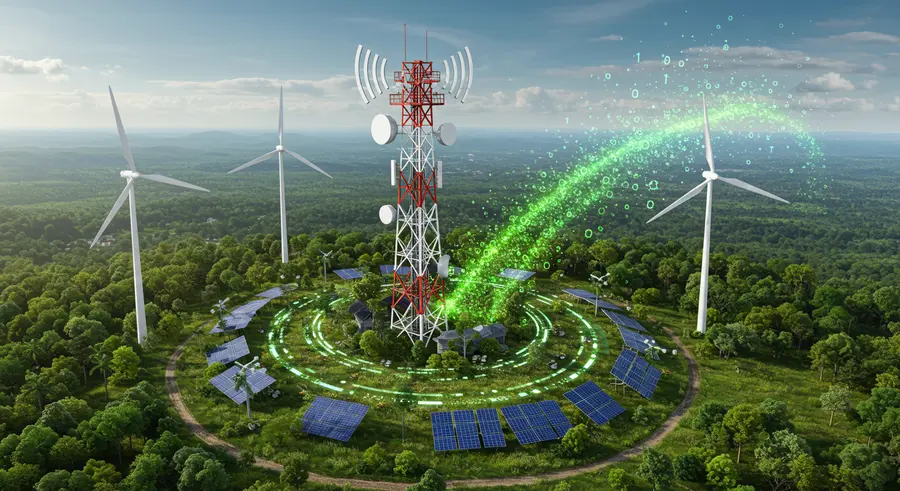
As the world hurtles towards an ever more connected future, propelled by advancements like 5G and the impending 6G, the environmental footprint of these vast networks becomes an increasingly critical concern. Sustainable wireless networks are no longer just an aspirational goal but a necessity. This article delves into the critical strategies and innovations that are making next-generation wireless technologies not only powerful but also environmentally responsible.
The Urgency of Green Wireless
The rapid expansion of digital infrastructure, particularly wireless networks, demands significant energy consumption. Base stations, data centers, and network equipment consume vast amounts of electricity, contributing to carbon emissions. Moreover, the lifecycle of network hardware, from manufacturing to disposal, has an environmental impact. Therefore, integrating sustainability into the core design and operation of wireless networks is paramount to mitigating climate change and preserving natural resources.
Key Pillars of Sustainable Wireless
1. Energy Efficiency in Network Design
The primary focus for reducing the carbon footprint of wireless networks is to make them more energy-efficient. This involves innovations at every layer:
- Intelligent Sleep Modes: Implementing advanced algorithms that allow network components to enter low-power sleep modes during periods of low traffic, waking up instantly when demand increases.
- Advanced Antenna Technologies: Technologies like Massive MIMO (Multiple-Input Multiple-Output) and smart beamforming can significantly improve spectral and energy efficiency by focusing signals precisely where needed, reducing wasted power.
- Disaggregated and Virtualized Networks: Separating hardware from software (SDN/NFV) allows for more flexible resource allocation and optimization, enabling dynamic scaling of resources to match demand, thereby saving energy.
- Efficient Power Amplifiers: Developing and deploying more efficient power amplifiers, which are often the most energy-hungry components in a base station.
2. Renewable Energy Integration
Beyond reducing consumption, powering networks with clean energy sources is crucial. This includes:
- On-site Renewables: Deploying solar panels, wind turbines, or fuel cells directly at base station sites, especially in remote areas.
- Grid Decarbonization: Collaborating with energy providers to ensure that the electricity drawn from the grid comes from renewable sources.
- Hybrid Power Solutions: Combining various power sources (e.g., solar, battery storage, and grid power) to ensure reliable and green operation.
These initiatives not only reduce emissions but can also improve network resilience and reduce operational costs over the long term.
3. Circular Economy Principles
Embracing a circular economy approach means designing equipment for longevity, repairability, reuse, and recycling. This minimizes waste and the demand for new raw materials:
- Modular Design: Creating equipment with easily replaceable modules to extend lifespan and simplify repairs.
- Recycling Programs: Establishing robust programs for recycling end-of-life network equipment to recover valuable materials.
- Refurbishment and Reuse: Promoting the refurbishment and reuse of components and entire systems.
By adopting these principles, the wireless industry can significantly reduce its environmental impact across the entire product lifecycle.
The Role of AI/ML in Green Networks
Artificial Intelligence and Machine Learning are pivotal in achieving true sustainability in wireless networks. AI algorithms can analyze vast amounts of network data to:
- Predict Traffic Patterns: Optimize network resources and power usage based on anticipated demand.
- Dynamic Power Management: Automatically adjust power levels of network elements in real-time according to traffic load.
- Fault Prediction & Maintenance: Reduce energy-intensive site visits and extend equipment life through predictive maintenance.
- Smart Energy Management: Optimize the integration and usage of renewable energy sources at network sites.
The ability to analyze complex data patterns and make intelligent decisions is not only crucial for green networking but also for broader applications, such as gaining key market insights and performing advanced financial analysis in a rapidly evolving digital economy.
Policy and Standardization
International bodies and governments play a crucial role in driving the sustainable transformation of wireless networks. Standards organizations like ITU and 3GPP are developing guidelines and specifications for energy efficiency. Governments are incentivizing green investments and setting environmental targets for telecommunication companies. For further reading on global sustainability efforts, consider exploring resources from the International Telecommunication Union (ITU).
Future Outlook and Challenges
The journey towards fully sustainable wireless networks is ongoing. Challenges include the increasing demand for data, which inherently pushes energy consumption, and the high cost of implementing new green technologies. However, the long-term benefits – reduced operational costs, enhanced brand reputation, and a healthier planet – far outweigh these hurdles. Future innovations in materials science, quantum computing for optimization, and more pervasive renewable energy solutions will continue to push the boundaries of what's possible.
Conclusion
Sustainable wireless networks are a cornerstone of a responsible and resilient digital future. By prioritizing energy efficiency, integrating renewable energy, adopting circular economy principles, and leveraging the power of AI, the telecommunications industry can lead the way in building a greener, more connected world. This commitment ensures that the incredible power of next-generation wireless technologies serves humanity without compromising the health of our planet.